
BioSchwartz Turmeric Curcumin con BioPerine: guía de cúrcuma
Guía de BioSchwartz Turmeric Curcumin con BioPerine: ingredientes, evidencia sobre articulaciones e inflamación, uso y preguntas frecuentes.
¿Qué es Turmeric Curcumin con BioPerine y por qué es importante?
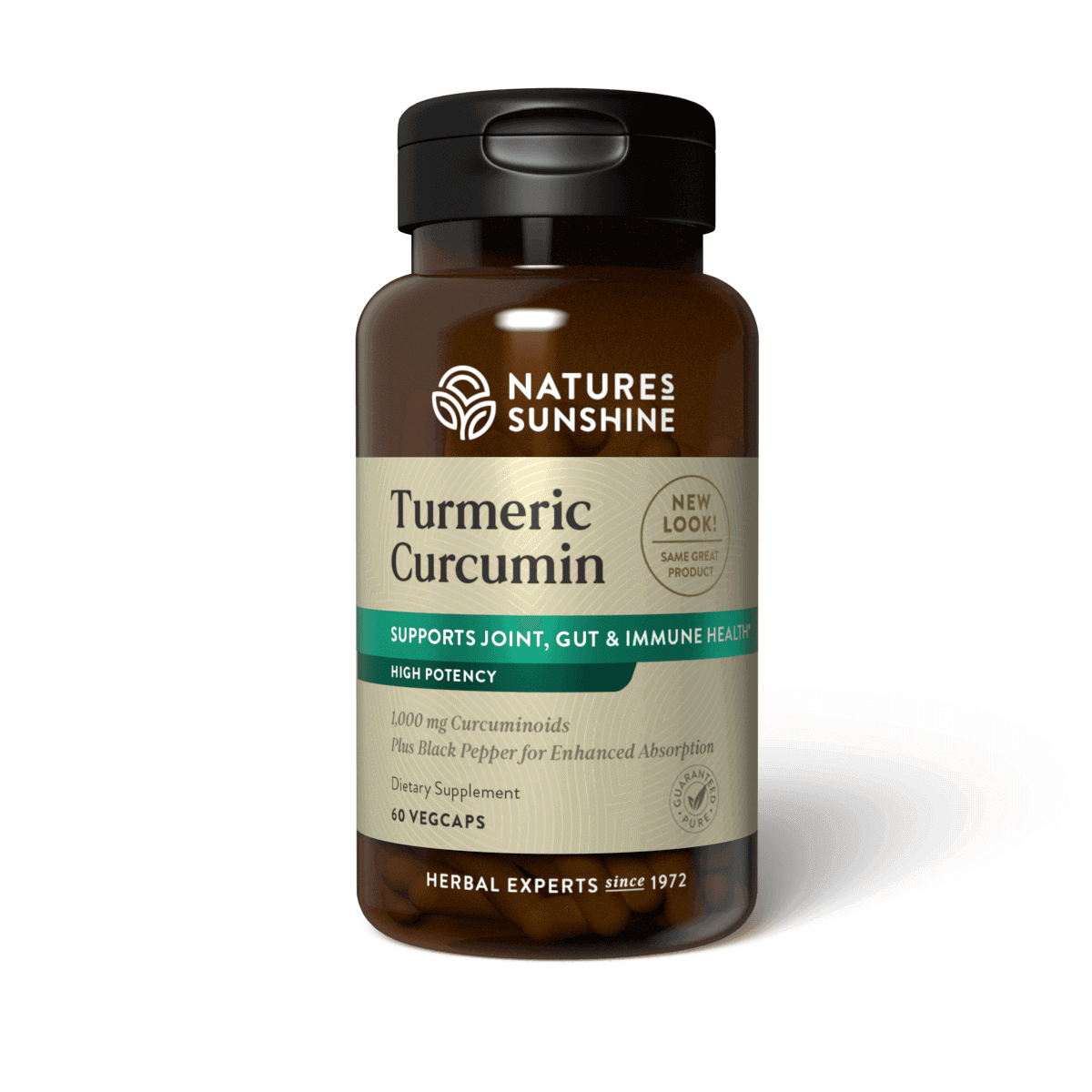
Si has estado buscando BioSchwartz Turmeric Curcumin con BioPerine, probablemente estés buscando una fórmula integral de curcumina que aborde la inflamación crónica, la comodidad articular y la defensa antioxidante. Turmeric Curcumin (Formerly CurcuminBP) de Nature's Sunshine cumple con los tres objetivos, combinando un potente extracto de cúrcuma con curcuminoides y extracto de pimienta negra en una sola cápsula sin OGM.
Lo que distingue a esta fórmula es su énfasis en ofrecer niveles más altos de extracto de cúrcuma rico en antioxidantes: no solo cúrcuma en polvo cruda. Una porción equivale a 32,000 mg de cúrcuma de raíz entera, y la fórmula ha sido estudiada clínicamente por su absorción y eficacia superiores. También contiene 1,000 mg de curcuminoides por porción, los compuestos activos responsables de los beneficios más investigados de la cúrcuma.
La curcumina, el principal polifenol bioactivo de la cúrcuma, se ha usado de forma segura durante siglos en la medicina ayurvédica de la India y se ha convertido en uno de los compuestos botánicos más estudiados en la ciencia nutricional moderna. La investigación sugiere que puede apoyar una respuesta inflamatoria saludable, la salud articular, la salud de la piel, la salud cerebral, la salud intestinal y la función del sistema inmunitario.
La adición de extracto de pimienta negra es una estrategia respaldada por la ciencia para abordar uno de los mayores desafíos de la curcumina: su baja biodisponibilidad oral. Sin potenciación, la curcumina se absorbe mal y se metaboliza rápidamente. Se ha demostrado en estudios en humanos que el extracto de pimienta negra, rico en el alcaloide piperina, aumenta la biodisponibilidad de la curcumina hasta en un 2,000%. Si tienes dudas sobre si una fórmula de cúrcuma y curcumina es adecuada para tus objetivos de salud, nuestro naturópata te ofrece una consulta gratuita.
Cómo funciona la cúrcuma y la curcumina con extracto de pimienta negra
Los beneficios de la curcumina provienen de su capacidad para modular múltiples vías de señalización implicadas en la inflamación y el estrés oxidativo. La investigación indica que la curcumina inhibe la vía de señalización de NF-κB, uno de los principales reguladores de la respuesta inflamatoria del cuerpo, y reduce la producción de citocinas proinflamatorias como el TNF-α, la IL-1β y la IL-6.
Más allá del NF-κB, algunos estudios sugieren que la curcumina también inhibe las enzimas COX-2 y LOX —las mismas enzimas que son el objetivo de muchos enfoques antiinflamatorios convencionales—, lo que ayuda a frenar la producción de prostaglandinas y leucotrienos que alimentan la cascada inflamatoria.
En cuanto a la acción antioxidante, la curcumina activa la vía transcripcional Keap1-Nrf2/ARE, que aumenta la expresión de las propias enzimas protectoras del cuerpo, entre ellas la superóxido dismutasa (SOD), la catalasa y el glutatión. Múltiples ensayos controlados aleatorizados (ECA) en humanos han mostrado que la suplementación con curcumina aumenta de forma medible la capacidad antioxidante total (CAT) mientras reduce el malondialdehído (MDA), un marcador de la peroxidación lipídica.
Sin embargo, existe una advertencia importante: la escasa solubilidad en agua y el metabolismo rápido de la curcumina hacen que gran parte de ella se elimine antes de llegar al torrente sanguíneo. Por eso el extracto de pimienta negra de esta fórmula es tan importante. La piperina inhibe las enzimas UDP-glucuronosiltransferasa (UGT) y la glucoproteína P, lo que ralentiza la conjugación y la salida de la curcumina y aumenta notablemente su absorción. En un ensayo de referencia en humanos, la administración conjunta de piperina con curcumina aumentó la biodisponibilidad en un 2,000% a los 45 minutos de la toma.
Ingredientes clave
- ✓ Envío gratis en pedidos superiores a $75
- ✓ Devoluciones fáciles en 90 días
- ✓ Envíos en pocas horas
¿Para quién es Turmeric Curcumin con BioPerine?
Esta fórmula está diseñada para adultos que buscan apoyo natural para una respuesta inflamatoria saludable, la comodidad articular y la protección antioxidante. Según la investigación clínica detrás de sus ingredientes, las personas que podrían beneficiarse más incluyen:
- Quienes experimentan rigidez o molestias articulares ocasionales: múltiples metaanálisis sugieren que la curcumina puede apoyar el alivio del dolor articular y la mejora de la función física, en particular en la osteoartritis de rodilla.
- Cualquier persona preocupada por la inflamación crónica de bajo grado: la capacidad de la curcumina para modular el NF-κB, la COX-2 y las citocinas proinflamatorias se ha estudiado en afecciones metabólicas, musculoesqueléticas y gastrointestinales.
- Las personas que buscan defensa antioxidante: los ensayos clínicos muestran que la suplementación con curcumina aumenta la capacidad antioxidante total y las enzimas protectoras endógenas, mientras reduce los marcadores de peroxidación lipídica.
- Los adultos interesados en el bienestar inmunitario, cerebral, de la piel o intestinal: la investigación sugiere que la curcumina puede apoyar la función del sistema inmunitario, la salud cognitiva en poblaciones de edad avanzada, la piel saludable y un microbioma intestinal equilibrado.
Dado que este producto no contiene OGM y viene en cápsulas vegetales, sin membresía ni envío automático, es una opción sencilla para cualquiera que esté explorando la suplementación con cúrcuma. Si tienes dudas sobre si BioSchwartz Turmeric Curcumin con BioPerine se ajusta a tus necesidades individuales —sobre todo si tomas medicamentos—, nuestro naturópata te ofrece consultas gratuitas y puede comentar posibles interacciones, en particular los efectos conocidos de la piperina sobre el metabolismo de los fármacos.
Cómo tomar Turmeric Curcumin con BioPerine
Modo de uso: Toma 2 cápsulas vegetales al día.
Cada porción (2 cápsulas) proporciona 1,100 mg de extracto de cúrcuma con 1,000 mg de curcuminoides, además de extracto de pimienta negra para maximizar la absorción. El frasco contiene 60 cápsulas, lo que proporciona un suministro completo para 30 días a la porción recomendada.
Cabe señalar que la biodisponibilidad de la curcumina es un desafío farmacocinético bien documentado. El extracto de pimienta negra de esta fórmula aborda esto directamente al inhibir las enzimas que, de otro modo, descompondrían y eliminarían rápidamente la curcumina. Tomar ambas cápsulas juntas garantiza que la piperina y los curcuminoides estén presentes en el tracto digestivo al mismo tiempo para lograr una absorción óptima.
Si tienes dudas sobre cómo este suplemento se combina con otros productos o medicamentos, nuestro naturópata puede ayudarte con gusto: las consultas siempre son gratuitas.
Escrito por Greg Howlett
Preguntas frecuentes
¿Por qué la cúrcuma y la curcumina necesitan pimienta negra (BioPerine)?
La curcumina tiene una baja biodisponibilidad oral debido a su escasa solubilidad en agua, su metabolismo rápido y su eliminación sistémica veloz. En un estudio controlado en humanos, la administración conjunta de piperina (el alcaloide activo de la pimienta negra) con curcumina aumentó las concentraciones sanguíneas de curcumina en un 2,000% a los 45 minutos de la toma. La piperina actúa inhibiendo las enzimas UGT y la glucoproteína P que, de otro modo, conjugarían y eliminarían la curcumina antes de que llegue al torrente sanguíneo. Sin esta potenciación, la mayor parte de la curcumina ingerida se excretaría antes de que el cuerpo pudiera aprovecharla.
¿Qué dice la investigación sobre la cúrcuma y la curcumina para la salud articular?
La osteoartritis —en particular la de rodilla— es la indicación más investigada para la cúrcuma y la curcumina. Una revisión sistemática de 2022 de 29 ECA con 2,396 participantes en cinco tipos de artritis observó que la curcumina apoyó el alivio del dolor y redujo la inflamación. Un metaanálisis independiente observó una eficacia del tratamiento similar a la de los AINE, con base en 16 ECA y 1,810 adultos. Un metaanálisis en red de 2025 confirmó que los preparados de curcumina con biodisponibilidad mejorada mostraron una reducción del 30% en el dolor según el índice WOMAC en comparación con el placebo. Sin embargo, la calidad de la evidencia se califica de forma constante como baja a muy baja debido al tamaño reducido de las muestras y a limitaciones metodológicas.
¿Es seguro tomar la cúrcuma y la curcumina a largo plazo?
Varios ensayos clínicos no han mostrado efectos tóxicos, y se describe que la curcumina es segura en dosis orales de hasta 6 g/día durante 4 a 7 semanas. La FDA ha reconocido la curcumina como generalmente reconocida como segura (GRAS). Los efectos secundarios más descritos en los ensayos son alteraciones gastrointestinales leves —náuseas, diarrea o malestar estomacal—, en particular con dosis más altas. Sin embargo, existe un riesgo poco frecuente de daño hepático asociado con los suplementos de cúrcuma, que puede ser mayor con las fórmulas de biodisponibilidad mejorada. Las personas con afecciones hepáticas previas o que toman medicamentos deben consultar a un profesional de la salud. Nuestro naturópata te ofrece una consulta gratuita si deseas orientación personalizada.
¿Pueden la cúrcuma y la curcumina interactuar con medicamentos?
Sí, existen posibles interacciones. La curcumina puede afectar la actividad de las enzimas del citocromo P450, y la piperina inhibe específicamente el CYP3A4 y la glucoproteína P. Los estudios en humanos han mostrado que la piperina puede aumentar las concentraciones plasmáticas de fármacos administrados junto con ella, como la carbamazepina (en aproximadamente un 68.7%), y puede afectar el metabolismo de la warfarina. Ten precaución al combinar este suplemento con anticoagulantes, antiagregantes plaquetarios o medicamentos metabolizados por el CYP3A4 o el CYP2C9. Habla siempre sobre posibles interacciones con tu profesional de la salud.
¿Cuántos curcuminoides aporta cada porción?
Cada porción de 2 cápsulas vegetales aporta 1,000 mg de curcuminoides junto con 1,100 mg de extracto de cúrcuma. Los curcuminoides son los principales compuestos activos de la cúrcuma y están compuestos principalmente por curcumina (diferuloilmetano), demetoxicurcumina y bisdemetoxicurcumina. Una porción equivale a 32,000 mg de cúrcuma de raíz entera.
¿La cúrcuma y la curcumina apoyan algo más además de la salud articular?
La investigación sugiere que la curcumina puede ofrecer beneficios de amplio espectro. Los metaanálisis indican que puede apoyar biomarcadores inflamatorios saludables (PCR, IL-6, TNF-α), la defensa antioxidante, marcadores de salud metabólica, incluidos la glucemia en ayunas y los perfiles lipídicos, y la función del sistema inmunitario. La evidencia preliminar también sugiere posibles beneficios para la salud cognitiva en el envejecimiento, el apoyo al estado de ánimo y la salud intestinal; en particular, como terapia complementaria en la colitis ulcerosa. La fórmula también destaca su potencial para promover un equilibrio saludable del microbioma. Sin embargo, la solidez de la evidencia varía según el área de salud, y la biodisponibilidad limitada de la curcumina sigue siendo un desafío de investigación activo.
Talk to Dr. Shannyn Fowl
Not sure if this is right for you? Book a free, no-pressure consultation for personalized guidance on your health goals.
Book your free consult →About Caring Sunshine
A family-run reseller of premium supplements — free shipping, a 90-day guarantee, and real people who know the products.
Learn more about us →